
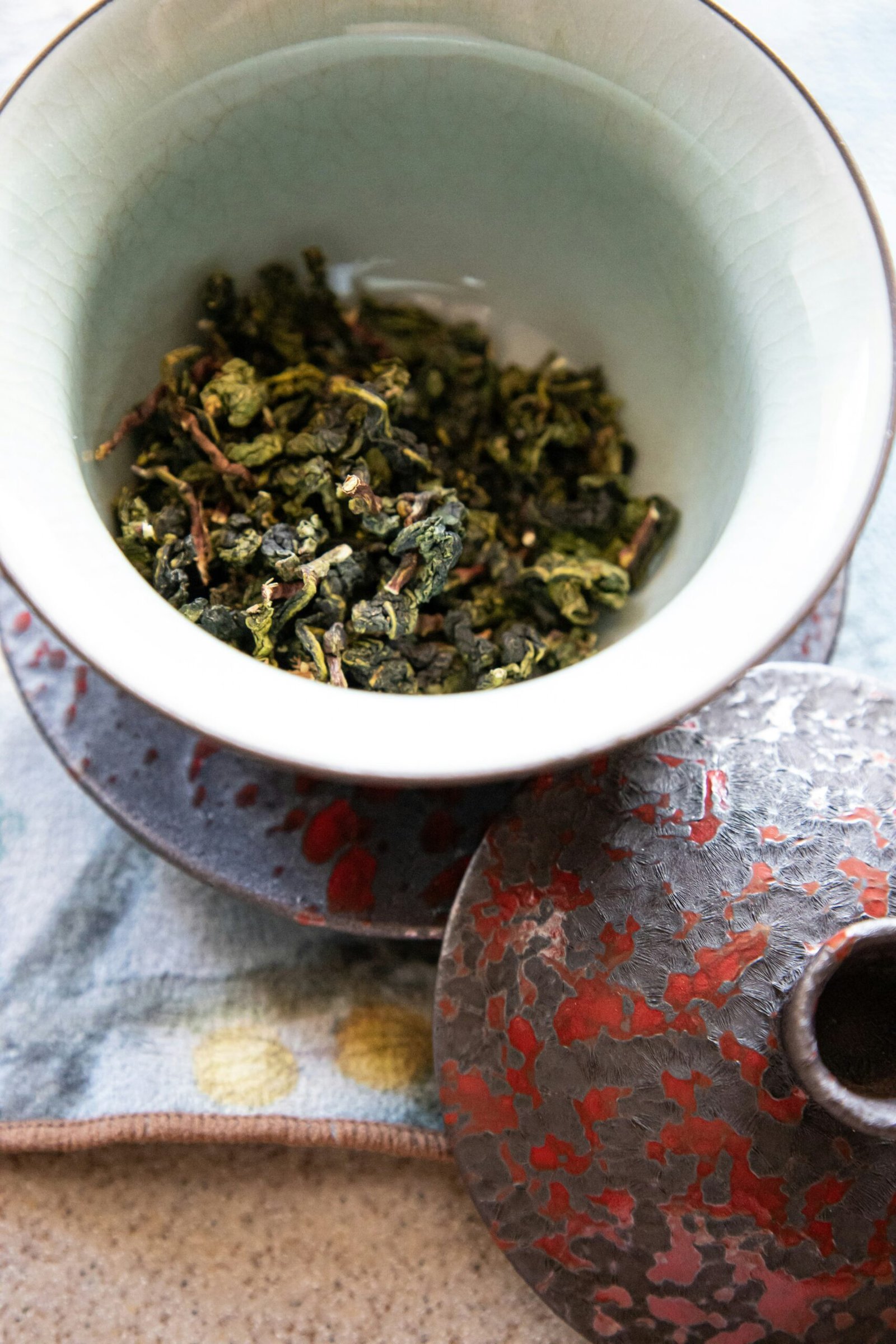
Historical and Cultural Significance of Chinese Tea
Tea holds a treasured place in the annals of Chinese history and culture, having been cultivated and consumed for thousands of years. The origins of tea trace back to ancient monarchs, with the most famous legend attributing its discovery to Emperor Shen Nong around 2737 BCE. According to folklore, Shen Nong accidentally discovered tea when leaves from a wild tea plant blew into his boiling water. This serendipitous event marked the beginning of an enduring cultural phenomenon.
The ceremonial aspects of tea in China are intricate and deeply rooted in tradition. The art of tea preparation and consumption evolved into an elaborate ritual known as the Chinese tea ceremony, or “Cha Dao” (the Way of Tea). This practice emphasizes purity, tranquility, and mindfulness, providing a meditative experience for participants. Over centuries, the ceremony became an integral part of social interactions and was frequently used to convey respect and hospitality.
Various tea types such as Liupao tea, celebrated for its earthy aroma, have their own unique stories and cultural significance. Chinese farmhouse tea, another renowned variety, reflects the rural lifestyle and traditional farming practices of the regions where it is grown. Each type of tea has its distinct preparation methods, flavor profiles, and customs associated with it, enriching the cultural tapestry of Chinese tea culture.
Historical figures such as Lu Yu, often referred to as the Sage of Tea, have significantly contributed to the cultural heritage of tea in China. Lu Yu authored “The Classic of Tea,” the first comprehensive book on the subject, consolidating knowledge on the cultivation, preparation, and appreciation of tea. His work has had a lasting influence on how tea is perceived and enjoyed, not only in China but around the world.
Throughout Chinese history, tea has played a pivotal role in diplomacy, trade, and social norms. It has been a symbol of harmony and respect, often used in formal occasions and special ceremonies. The exchange of tea as a precious gift continues to signify goodwill and friendship. Today, the legacy of Chinese tea persists, connecting generations with its enduring cultural and historical significance.
Geographical Diversity and Its Impact on Tea Cultivation
China’s rich and varied landscape lays the groundwork for its unparalleled diversity in tea. The geographical diversity of tea-producing regions across China contributes significantly to the unique characteristics and flavors of each tea variety. These regions, characterized by their distinct climate, soil quality, and altitude, play a critical role in shaping the profiles of teas such as farmhouse tea, liupao tea, and other renowned varieties.
In Yunnan Province, at the heart of tea’s origin, the high altitudes and humid, mist-covered mountains provide ideal conditions for cultivating Pu-erh and other ancient tea trees. The nutrient-rich soil and the region’s seasonal temperature fluctuations yield robust and earthy tea flavors that are distinctively Yunnan.
Fujian Province, located along China’s southeast coast, is well-known for its diverse tea varieties, including the esteemed Oolong and white teas. Its subtropical climate, frequent rainfall, and well-drained, slightly acidic soils contribute to the delicate, floral, and sometimes fruity notes of teas like Tieguanyin. The unique processing methods employed here also enhance the complexity of Fujian’s teas.
Further east, Zhejiang Province stands out with its green teas, notably Longjing tea. The mild, humid climate coupled with the mineral-rich, limestone soil of the region imparts a subtle sweetness and fresh, vegetal quality to its teas. The relatively lower altitudes of Zhejiang compared to Yunnan and Fujian lend a distinctive lightness and clarity to Longjing tea that has captivated tea enthusiasts for centuries.
Equally notable are the tea cultivation methods in Chinese farmhouses, where traditional techniques and knowledge passed through generations yield distinctive regional teas. These small-scale, often family-managed farms produce unique farmhouse tea varieties that embody the essence of regional terroir with every sip, whether it is liupao tea or other local specialties.
The geographical diversity of China’s tea-producing regions not only enhances the sensory attributes of chinatea but also underscores the importance of terrain in the cultivation process. Such geographical factors have enabled China to produce a wide array of teas that captivate taste buds worldwide, each carrying the unmistakable signature of its place of origin.
Green Tea: Varieties and Benefits
Green tea, a staple in Chinese culture for centuries, is renowned not only for its rich flavors but also for its numerous health benefits. Some of the most popular green tea varieties include Longjing (Dragon Well), Biluochun, and Maojian. Each of these teas originates from distinct regions in China, offering unique tastes and aromas that reflect their local terroir.
Longjing, commonly known as Dragon Well, hails from Hangzhou in Zhejiang Province. It is distinguished by its flattened leaf shape and a sweet, chestnut-like flavor. Biluochun, on the other hand, comes from the Jiangsu Province. Its name, meaning “Green Snail Spring,” refers to its spiral-shaped leaves and crisp, floral taste. Maojian, which can be found in several regions but most notably in Henan and Guangdong, is known for its fine, twisted leaves and robust, vegetal flavor.
The processing methods for green tea set it apart from other types. After harvesting, the tea leaves are quickly steamed or pan-fired to prevent oxidation, which preserves their green color and fresh, grassy flavor. This minimal oxidation is crucial in maintaining the high levels of catechins, a type of antioxidant that affords many of green tea’s health benefits.
Green tea is celebrated not only for its taste but also for its health-promoting properties. Rich in antioxidants, particularly epigallocatechin gallate (EGCG), it helps combat oxidative stress and inflammation. Studies suggest that regular consumption of green tea can enhance metabolism, aiding in weight management. Additionally, green tea has been linked to improved heart health by reducing bad cholesterol levels and improving arterial function. Its moderate caffeine content also provides a gentle energy boost without the jitters often associated with other caffeinated beverages.
Overall, green tea exemplifies the intricate relationship between taste, tradition, and health, making it a timeless choice for tea enthusiasts worldwide.
Black Tea: A Spectrum of Flavors
Black tea, known for its rich and robust flavor profile, offers an extensive spectrum of flavors that vary widely based on the variety and region of cultivation. Some of the renowned types of Chinese black tea include Keemun, Dianhong, and Lapsang Souchong. Each of these teas carries unique characteristics, largely influenced by their respective production processes and terroir.
Keemun, widely regarded as the “Burgundy of teas,” originates from Qimen County in Anhui Province. It is prized for its sophisticated aroma, often described as flowery and fruity with hints of pine. The deep reddish-brown liquor of Keemun makes it an ideal choice for an elegant afternoon tea.
Similarly, Dianhong, predominantly produced in China’s Yunnan Province, stands out for its rich, malty flavor with notes of chocolate and honey. This tea offers a smooth and full-bodied experience, making it a popular variant among tea connoisseurs.
On the other end of the flavor spectrum is Lapsang Souchong, distinguished by its unique, smoky aroma. Produced in the Wuyi region of Fujian, this tea undergoes an unconventional drying process over pinewood fires, imparting its signature bold and smoky flavor.
The fermentation process plays a critical role in developing the robust characteristics of black tea. Unlike green tea, black tea undergoes full oxidation, which intensifies its flavor and gives the leaves their characteristic dark color. This process also contributes to the rich, full-bodied taste that black tea is celebrated for.
Beyond its delightful flavors, black tea offers an array of potential health benefits. Studies suggest that regular consumption of black tea may improve cardiovascular health by reducing cholesterol levels and lowering blood pressure. Its natural antioxidants can also aid in digestive processes and boost general well-being.
In essence, black tea encompasses a range of flavors and benefits, cultivating a unique and enriching experience for tea enthusiasts worldwide. Whether you’re drawn to the smoky allure of Lapsang Souchong or the refined sophistication of Keemun, black tea offers a delightful, healthful journey for the palate.
Oolong Tea: The Best of Both Worlds
Oolong tea stands out among Chinese teas due to its unique processing methods and partially oxidized state. Balancing the characteristics of both green and black tea, Oolong tea offers an aromatic experience with a complex flavor profile. Among the most renowned varieties of Oolong are Tieguanyin, Da Hong Pao, and Shui Xian, each renowned for its distinct characteristics and intricate flavors.
Tieguanyin, also known as Iron Goddess of Mercy, is a lightly oxidized Oolong celebrated for its floral aroma and smooth texture. Originating from the Fujian province, this tea undergoes meticulous hand-rolling and drying processes, which contribute to its rich, floral notes that enchant tea aficionados.
Da Hong Pao, or “Big Red Robe,” is another illustrious Oolong originating from the Wuyi Mountains. This darker, heavily oxidized tea boasts a complex flavor profile marked by roasted, fruity nuances, creating a multifaceted tasting experience. Shui Xian, meaning “Water Sprite,” presents a darker Oolong with woody and floral undertones, native to the same region as Da Hong Pao.
The processing techniques for Oolong tea involve several intricate steps, including withering, oxidation, rolling, and firing. The semi-oxidized state achieved during processing grants Oolong tea its characteristic interplay of green and black tea traits, yielding a beverage known for both its aromatic complexity and diverse flavor range.
Beyond its impressive flavor spectrum, Oolong tea also offers various health benefits. Regular consumption is reputed to enhance mental alertness, owing to its caffeine content and unique combination of polyphenols. Moreover, Oolong tea can assist in weight management by boosting metabolism and aiding in fat oxidation. Recent studies suggest that the bouquet of antioxidants in Oolong tea may also contribute to heart health and improved overall well-being.
Embracing Oolong tea not only invites a sophisticated tasting adventure but also presents an opportunity to enjoy its multifaceted health advantages. Whether you are drawn to the floral elegance of Tieguanyin, the roasted depth of Da Hong Pao, or the woody nuances of Shui Xian, Oolong tea delivers a harmonious blend of flavor and wellness benefits.
White Tea: Subtle Flavors and Potent Benefits
White tea, one of the less processed forms of tea, originates primarily from China’s Fujian province. It boasts a delicate flavor profile and subtlety that tea enthusiasts highly appreciate. Two notable varieties of white tea are Bai Hao Yinzhen and Shoumei. Bai Hao Yinzhen, often referred to as Silver Needle, consists of purely young tea buds covered with fine white hairs, rendering it a premium variety. Shoumei, on the other hand, includes more mature leaves and buds, imparting a richer and slightly stronger flavor.
The processing of white tea is minimal, which allows it to retain a high concentration of antioxidants, notably catechins. This minimal processing involves plucking the fresh tea leaves, withering them under natural sunlight, and drying them to a moisture content of around 30%. The gentle handling ensures that the natural compounds present in the tea leaves remain largely intact, promising a range of health benefits.
White tea’s antioxidant properties contribute significantly to improved immune function. Regular consumption can bolster the body’s defense mechanisms, equipping it with a heightened ability to fend off various infections. Additionally, white tea’s rich polyphenol content exhibits anti-aging properties, playing a crucial role in reducing oxidative stress in the body. These compounds help in neutralizing free radicals, thereby slowing down the aging process and contributing to healthier, more youthful skin.
Moreover, white tea’s subtle flavors and aromatic qualities make it a soothing beverage for the senses. Its low caffeine content also makes it an ideal choice for those looking to enjoy a calming and healthful drink any time of the day. Whether sipped on its own or as part of a tea blend, white tea holds a special place in the diverse world of Chinese farmhouse tea.
Pu-erh Tea: Aged to Perfection
Pu-erh tea, originating from the Yunnan province of China, stands out due to its unique aging process and distinct classification into raw (Sheng) and ripe (Shou) varieties. This type of fermented Chinese farmhouse tea undergoes a complex transformation over time, involving microbial activity and natural oxidation that culminates in a rich, deep flavor profile. The aging process can span anywhere from a few months to several decades, with the tea’s character evolving continuously. The region’s ideal climate and traditional techniques employed by local farmers ensure that each batch of Pu-erh tea is crafted with precision and care.
The production process of raw Pu-erh tea (Sheng) begins with sun-drying the freshly picked tea leaves, which are then compressed into various shapes such as bricks, cakes, or tuos. The tea is then left to age naturally, allowing the microorganisms present in the tea to ferment slowly over time. This method can significantly enhance the flavor, producing a tea that is renowned for its complex and nuanced taste, often described as earthy, woody, or floral.
Ripe Pu-erh tea (Shou), on the other hand, undergoes an accelerated fermentation process through a technique known as “wet piling” (Wo Dui). This method, developed in the 1970s, involves heaping the tea leaves into large piles and maintaining a humid environment to promote rapid microbial fermentation, reducing the aging time from years to months. The resulting tea is typically darker, with a rich, mellow taste and smooth texture.
Beyond its unique production process, Pu-erh tea offers several health benefits. It is known for its potential to lower cholesterol levels due to the presence of statin-like compounds. Additionally, Pu-erh tea has been linked to aiding in weight loss, as the tea can enhance the metabolic rate and promote fat oxidation. Its probiotic properties, stemming from the microbial fermentation, may also contribute to improved digestion and gut health. Thus, Pu-erh tea is not only a delight for the senses but also a beneficial addition to a health-conscious lifestyle.
Floral and Scented Teas: Aromatic Delights
China’s contribution to the world of tea is not limited to traditional green, black, and oolong varieties. Floral and scented teas offer an aromatic and sensory experience that is both delightful and health-promoting. Among the most revered of these are Jasmine Green Tea, Chrysanthemum Tea, and Rose Tea, each bringing unique qualities to the tea table.
Jasmine Green Tea stands out for its delicate, fragrant aroma. The process of scenting this tea involves layering fresh jasmine blossoms over green tea leaves. As the blossoms open in the evening, they impart their aroma into the tea, which absorbs the floral scent. This process can be repeated several times to achieve the desired intensity. Besides its captivating fragrance, Jasmine Green Tea is known for its calming effects and ability to reduce stress, making it a perfect choice for evening relaxation.
Chrysanthemum Tea offers not only a floral bouquet but also significant health benefits. Made from dried chrysanthemum flowers, it is gently brewed to release its subtle, sweet flavor. Traditional Chinese medicine prizes Chrysanthemum Tea for its ability to aid digestion, boost immunity, and clear the liver. It is often consumed to alleviate symptoms of a high fever, eye discomfort, and headaches, showcasing its multifaceted health benefits.
Rose Tea, created from the infusion of dried rose petals, is another fragrant delight. The tea is celebrated for its light, floral taste and its vibrant color, which makes it an aesthetic pleasure as well. Rose Tea is lauded for its potential to improve skin health, reduce menstrual discomfort, and enhance digestion. The natural compounds in rose petals are also believed to have mood-enhancing properties, providing a sense of tranquility and emotional balance.
The craftsmanship involved in the blending and scenting of such teas is vital. This practice is not merely about achieving flavor; it is also about ensuring that the health benefits of both the tea leaves and the floral elements are preserved and maximized. Each sip of these lovingly crafted teas invites the drinker into a deeper appreciation of China’s tea heritage, blending tradition with wellness.